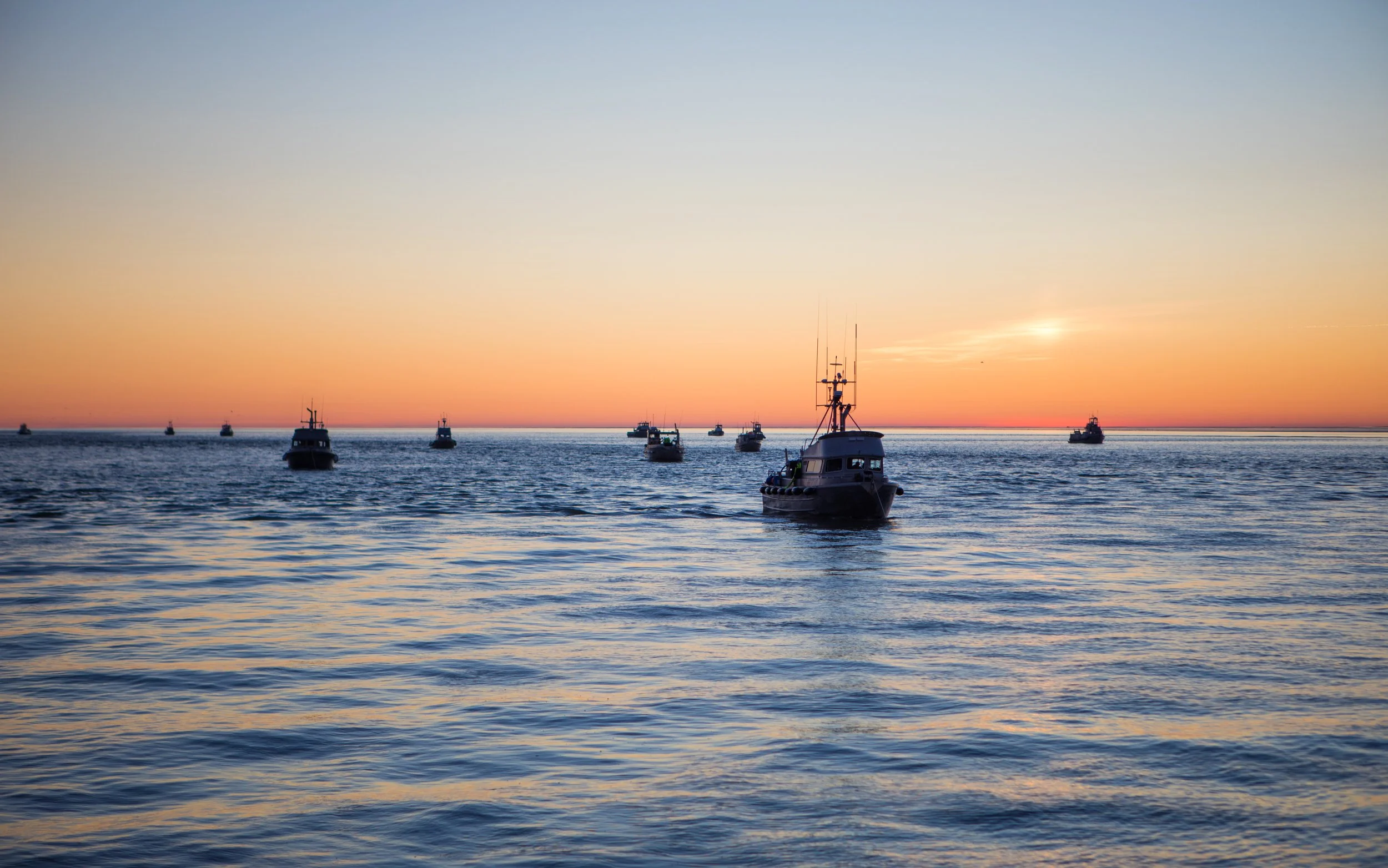
Bristol Bay Sockeye

Photo Courtesy of Alaska Seafood
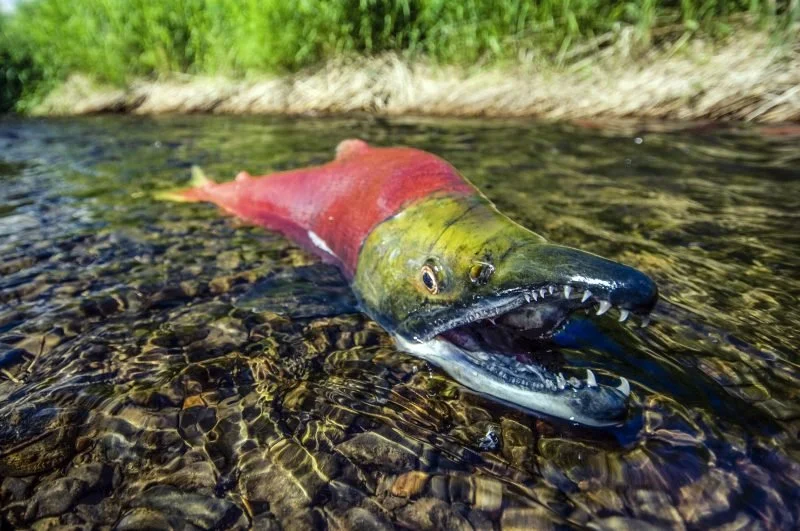
Photo Courtesy of Nick Hall
Wild
Sockeye salmon from Bristol Bay start their lives in Alaska freshwater streams, rivers and lakes, migrating after 1-3 years to the open North Pacific to mature and then returning years later to the exact waters where their life began. When sockeye transition back to freshwater to spawn, they undergo a wild transformation from silver to brilliant red skin. That combined with their beautiful ruby red flesh, earns them their “Reds” nickname. This extraordinary journey creates a fish that is nutritionally dense, naturally lean, rich in antioxidants, vitamin D and omega-3s. Choosing Bristol Bay wild sockeye honors both the natural life cycle of the salmon and the ecosystems that they inhabit, while being healthy for you too.
Sustainable
In Alaska, salmon are managed as a renewable resource. Each of the 9 major river systems in Bristol Bay is closely monitored, with salmon counted as they return upstream to ensure enough reach their spawning grounds to sustain healthy runs year after year. Guided by science and enforced through careful regulation by the Alaska Department of Fish and Game, the fishery operates through daily management decisions and a shared commitment among fishermen and managers to protect the long-term abundance of wild sockeye.
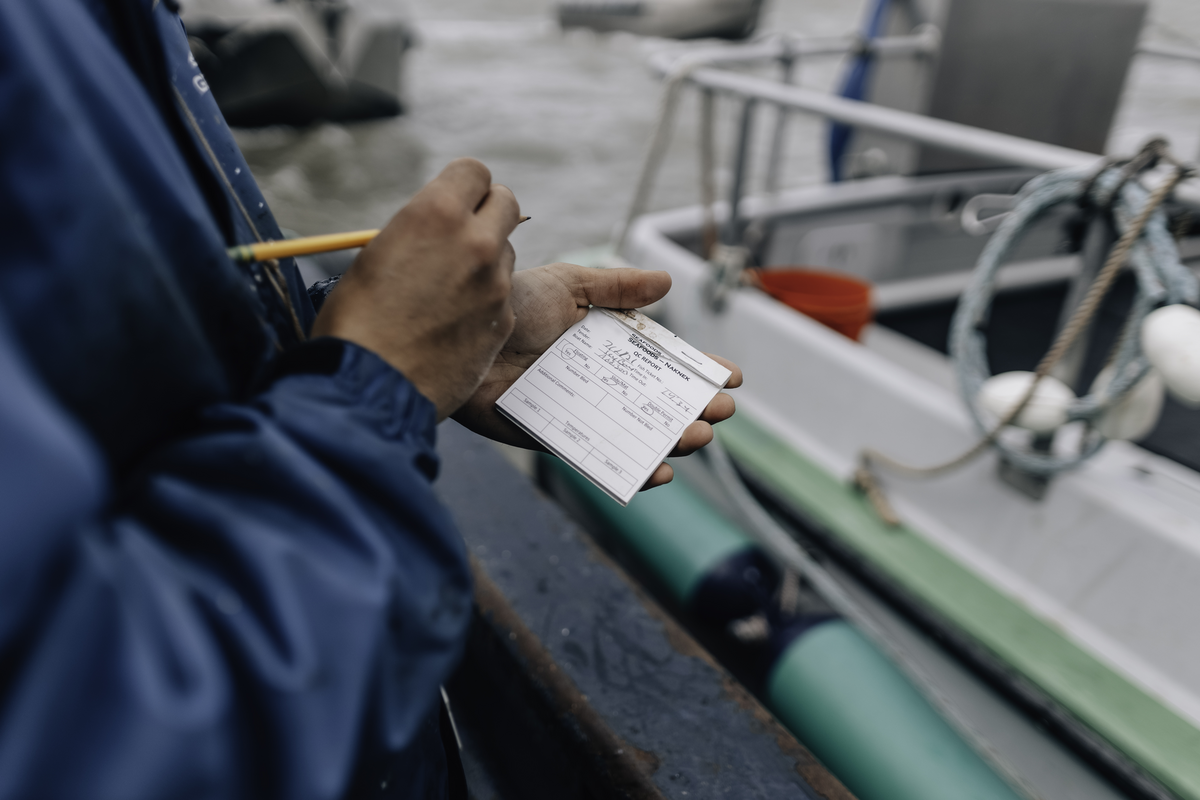
Photo Courtesy of Alaska Seafood
Abundant
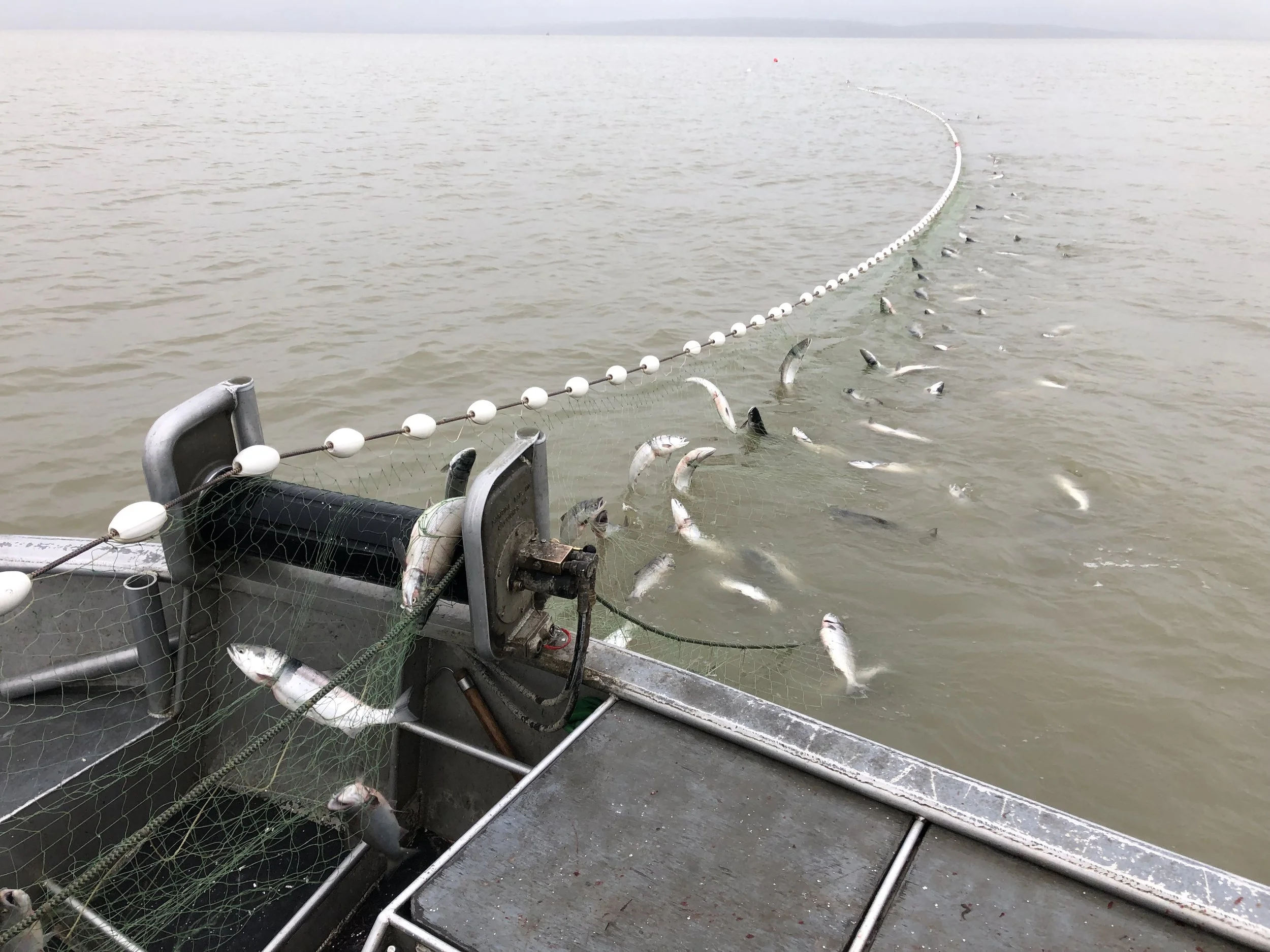
This careful management yields the largest wild salmon run on earth, supplying more than half of the worlds sockeye. Tens of millions of sockeye return every year supporting Alaskan ecosystems, communities worldwide, and more than 8000 small fishing families like ours in North America.
Independent & Family owned
Bristol Bay sockeye is a small boat fishery, powered by people — not industrial fleets. Nearly 8,000 independent fishermen participate in the fishery, many operating small family boats and passing the tradition from one generation to the next. This structure keeps the fishery rooted in coastal communities and ensures the harvest remains distributed among thousands of working fishermen rather than concentrated in large corporate operations.
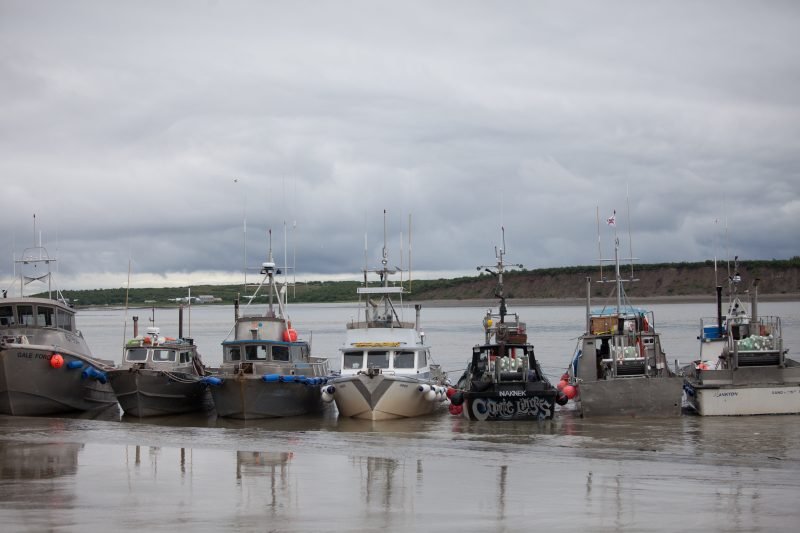
Photo Courtesy of Bob Waldrop
Responsible
Protecting Bristol Bay’s salmon requires more than strong regulations — it requires people who care deeply about the future of the fishery. Fishermen, scientists, local communities, and conservation organizations work together to safeguard these waters for generations to come.
Efforts like the Bristol Bay Forever Initiative and the work of groups such as the Bristol Bay Regional Seafood Development Association help ensure that the watershed remains one of the most protected and responsibly managed fisheries in the world.